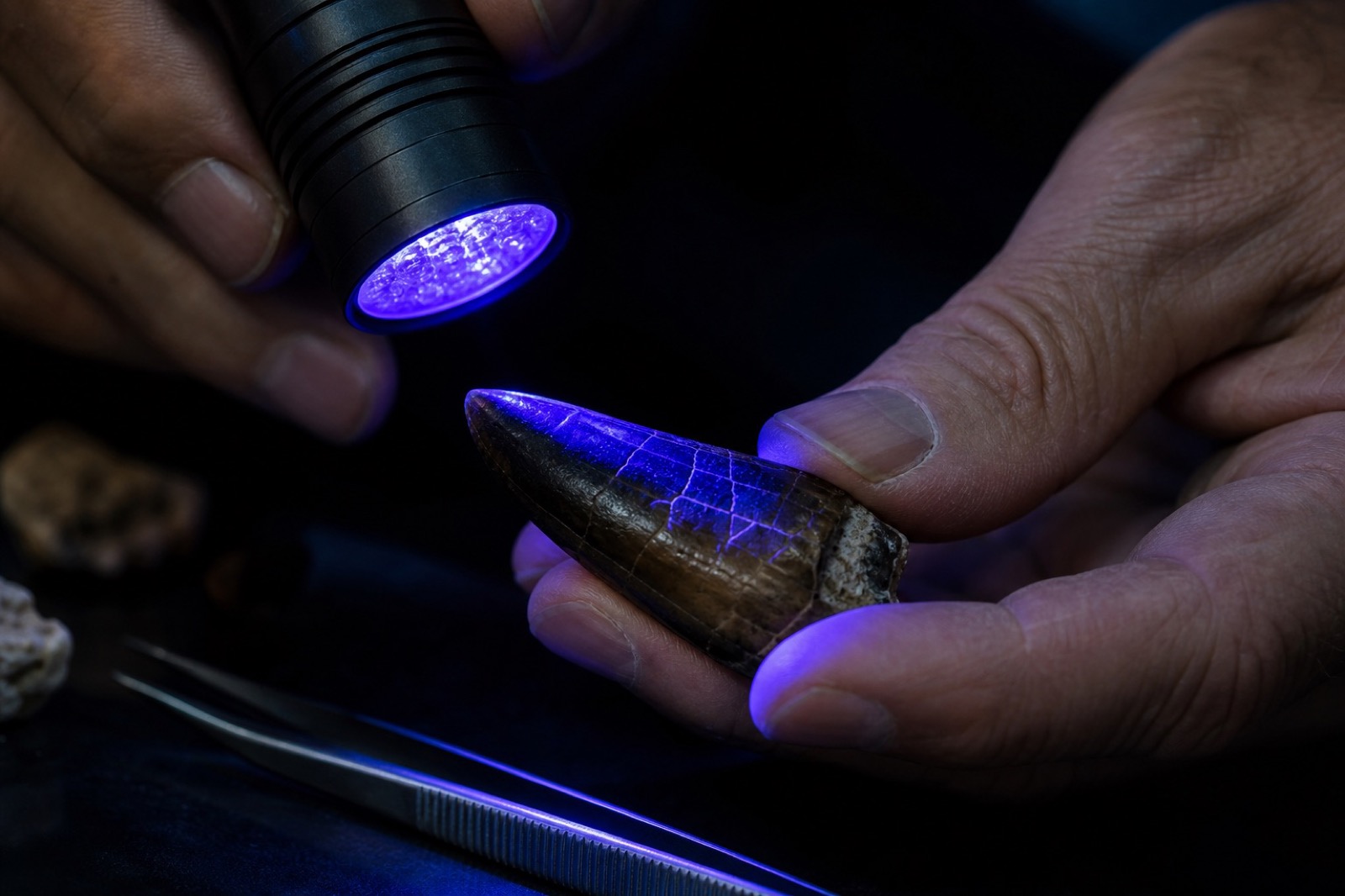
Collectors do not only buy fossils — they buy relationships with dealers who can answer restoration questions at midnight, produce landowner paperwork without panic, and still be around when a specimen needs a follow-up UV map. Orphan listings on faceless marketplaces teach buyers to chase price. Jurassic Depot seller stores teach buyers to chase accountability. Your store is the brand page: about copy, focus taxa, trust tier, live inventory, reviews, and a document ledger that admits what paperwork exists even when sensitive files stay private.
This guide walks through how to build a store that looks like a serious natural-history shopfront rather than a garage cleanout. It is written for commercial dealers, ranch-partner collectors, and prep labs ready to sell under disclosure rules that reward honesty. You will not win by hiding export certificates. You will win by making buyers feel that bidding on your store is safer than gambling on anonymous lots.
Why a store beats orphan listings
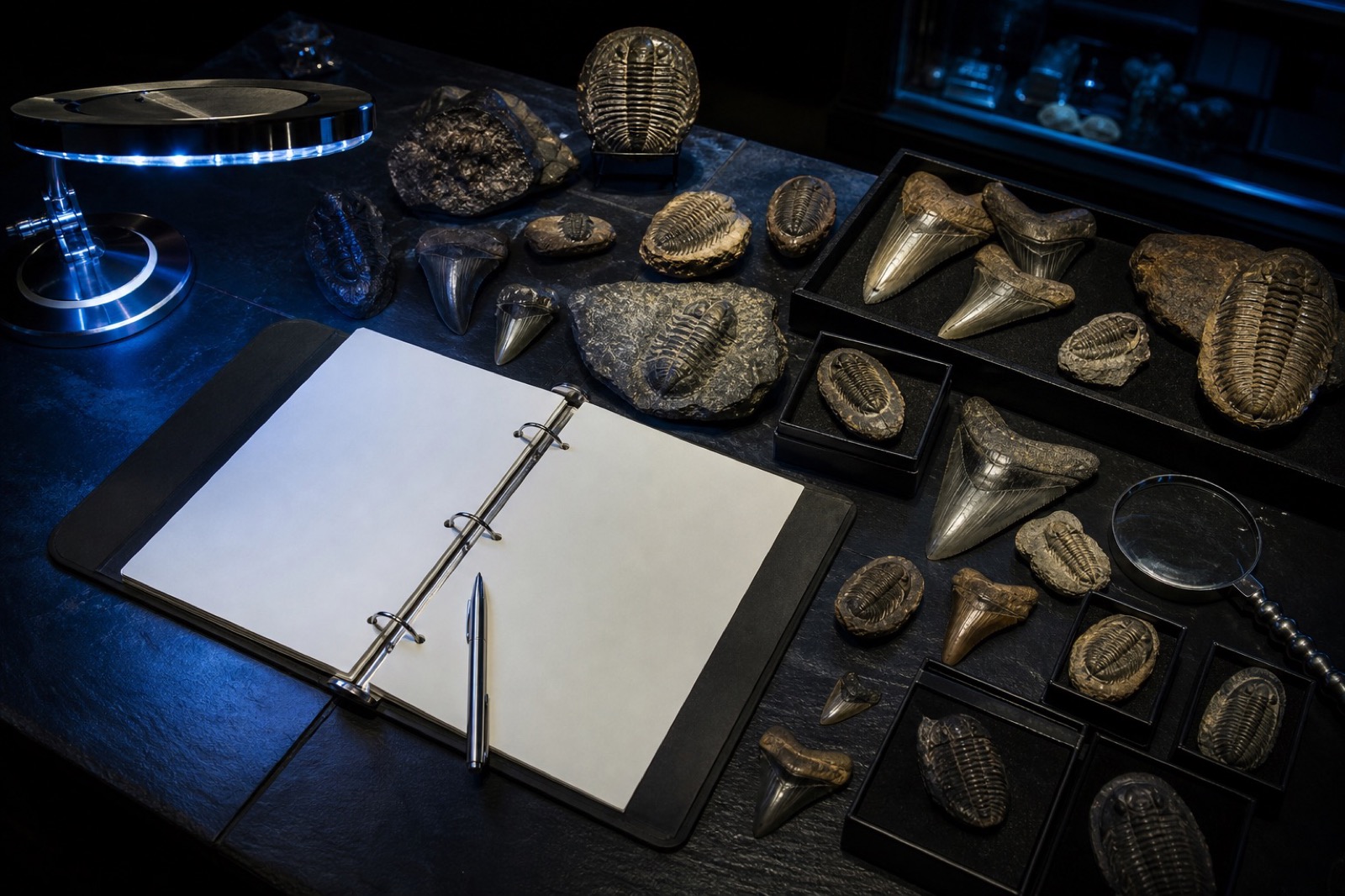
Orphan listings force every sale to reintroduce the seller from zero. Stores compound trust. A buyer who purchased a Phacops trilobite last month already knows how you disclose restoration, how fast you answer messages, and whether your document admissions matched reality. That memory is worth more than another stock photo. Auction houses understood this a century ago; fossil Instagram mostly forgot it. Jurassic Depot puts the storefront back at the center.
Stores also protect the marketplace narrative. When provenance questions arise, they attach to a durable seller identity, not a disposable username. That makes screening, reviews, and dispute records coherent. For you, it means inventory can rotate while brand equity stays. For buyers, it means the hellcreek_deals_99 account cannot evaporate without leaving a trail of empty promises.
Buyer habit
Follow stores
Not chase one-off SKUs
Trust signal
Doc ledger
Public + private-on-file
Retention lever
Recurring lots
Same disclosure style
Risk reducer
Named identity
Questionnaires + reviews
 Sample photo
Anatomy of a Jurassic Depot store
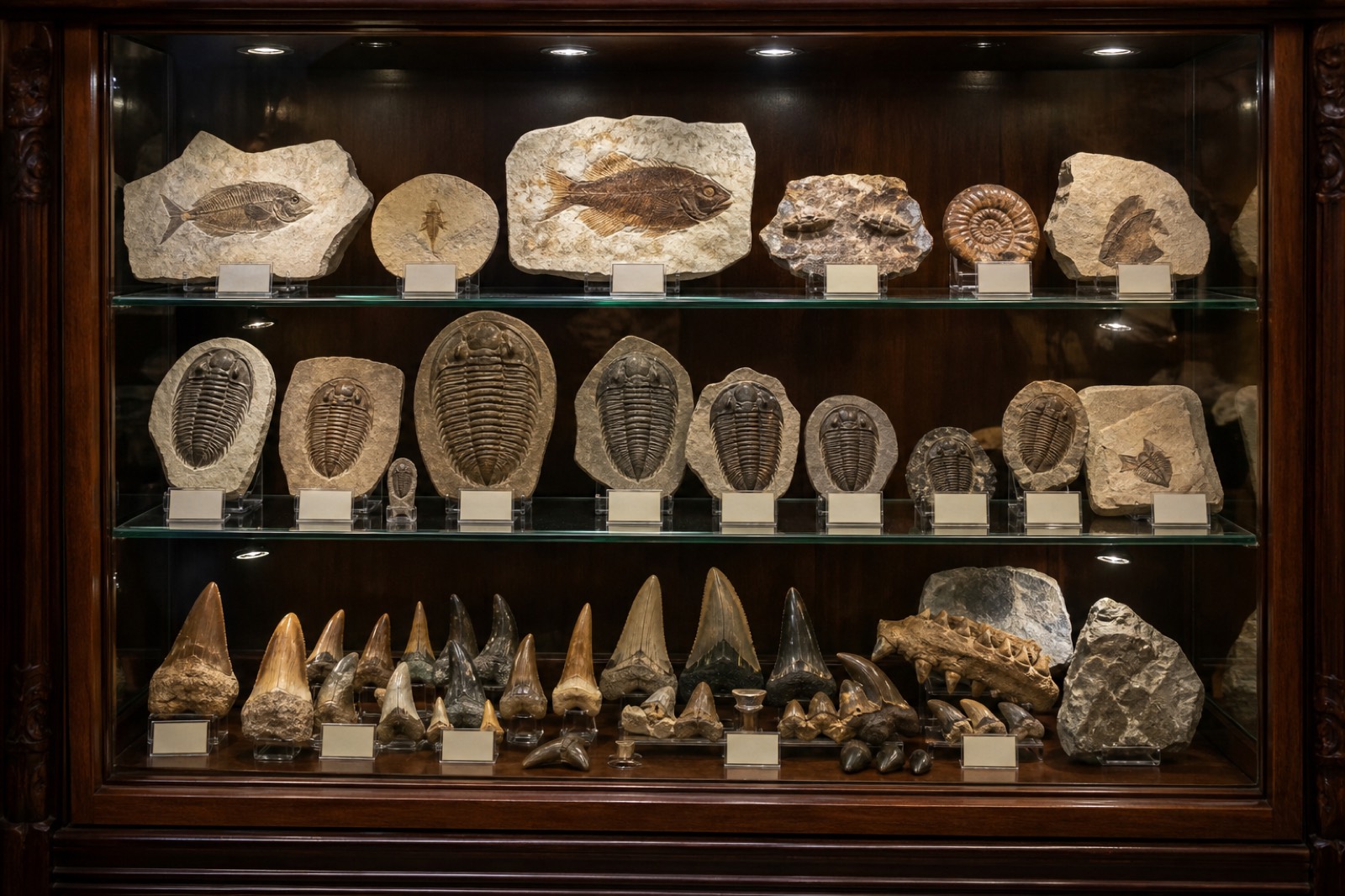
A complete store has five layers buyers scan in order: who you are, what you specialize in, whether your trust tier and reviews look alive, what is for sale right now, and which documents you admit exist. Skip the about section and collectors assume you are a flipper. Skip the document ledger and collectors assume you are hiding something. Skip inventory for months and collectors unsubscribe mentally even if the URL still works.
- About: years in trade, regions collected, prep philosophy, partner ranches or quarries
- Focus: taxa and localities you actually stock — not every dinosaur Wikipedia knows
- Trust tier: earned from identity checks, listing quality, and fulfillment history
- Listings grid: auctions and fixed-price lots under the same brand URL
- Documents: public PDFs plus private-on-file admissions with verification status
- Reviews: buyer notes tied to categories, not anonymous star spam
 Sample photo
The document ledger that builds trust
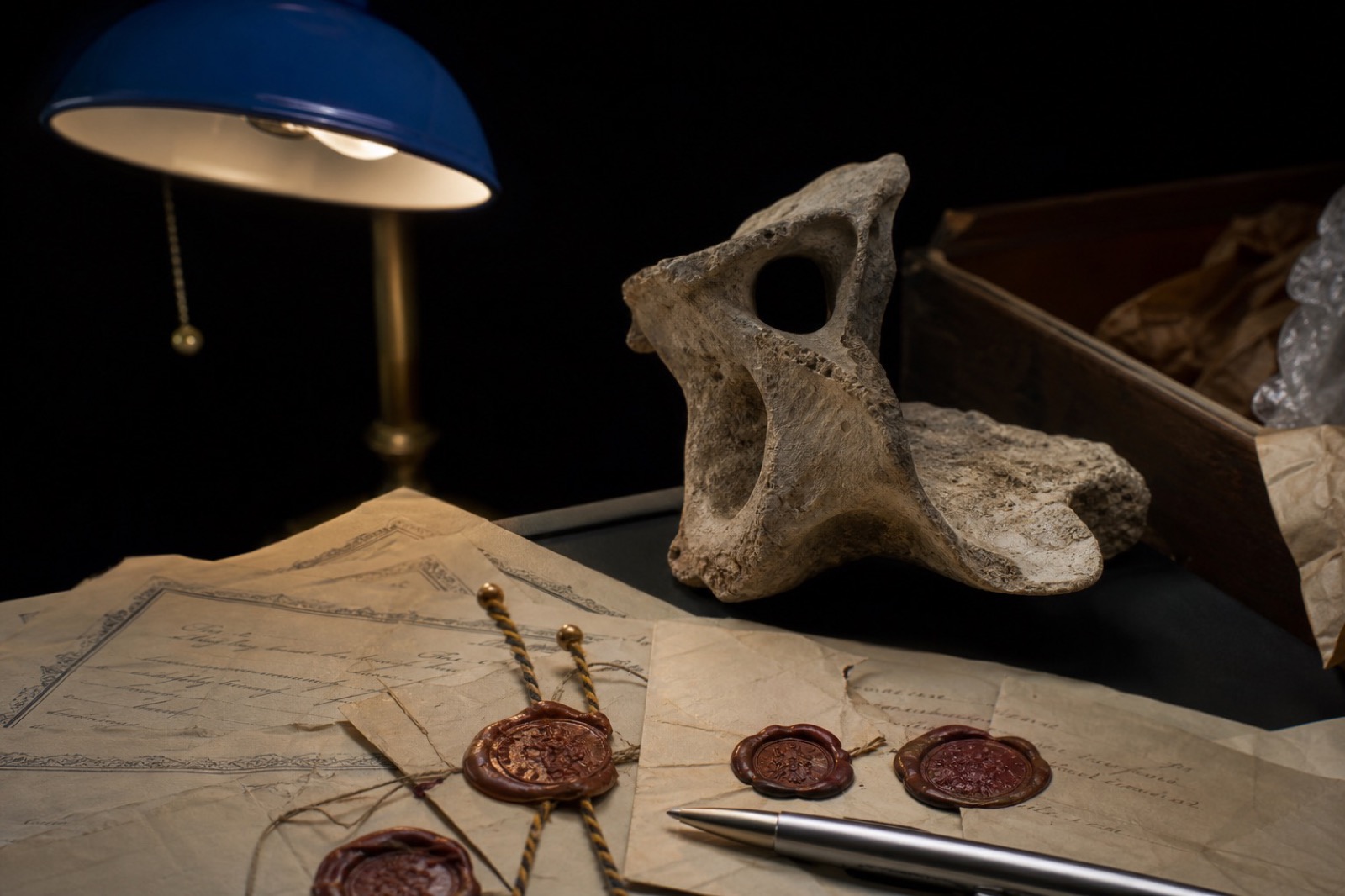
The ledger is the feature that separates Jurassic Depot stores from generic shop pages. You publish what you can: redacted landowner summaries, UV maps, prep notes, public COAs if you still use them. For the rest — full GPS, invoices with personal data, raw export scans — mark private-on-file. Buyers still see document type, that you supplied it, and whether review marked it consistent. Hiding content is allowed. Hiding that a document existed is not.
Dealers who fear transparency usually fear bad paperwork, not privacy. Clean your chain of title before you list vertebrates. If a wholesale Moroccan lot arrived with only a middleman invoice, admit that limitation instead of inventing a ranch story. Buyers reward accurate incompleteness more than theatrical perfection.
 Sample photo
Inventory rhythm: auctions and fixed price
List under the store so collectors shop you, not a vanishing SKU. Use auctions for scarce vertebrates and show-stopping invertebrates where discovery pricing makes sense. Use fixed price for volume categories — common trilobites, shark teeth, orthoceras — where buyers want checkout without countdown anxiety. Keep photography standards consistent across both so your brand looks intentional.
Rhythm matters more than volume. A store that drops two carefully documented lots every week outperforms a store that dumps forty mystery teeth once a quarter. Pair each drop with restoration percentages, origin fields, and linked document IDs. Message buyers on-platform when they ask for lingual views — those threads become part of the trust record.
Photography is inventory. A store with inconsistent white balance and missing scale bars looks like a flea-market table even when the fossils are excellent. Standardize: same backdrop family, always a scale, always a reverse view for teeth, always a matrix context shot when the specimen sits in rock. Buyers compare your new listing to your last one. Make that comparison raise confidence instead of suspicion.
Seasonality is real. Show months, ranch collecting seasons, and prep-lab throughput will pulse your calendar. Publish that rhythm in your about section so collectors know when to watch. A quiet month with a clear explanation beats ghost silence after a big auction. If you partner with landowners, say so at the category level without doxxing private GPS. Buyers want to know the pipeline is real.
 Sample photo
Reviews, social proof, and sample labels
Early stores may show sample or demo metrics while the marketplace warms up. Label them honestly. Nothing kills a fossil brand faster than inflated review counts that readers recognize as theater. When real reviews arrive, respond publicly to restoration disputes and shipping issues. Silence reads as guilt even when you are simply busy prepping a mosasaur.
Species focus and niche authority
Authority comes from depth. A store known for Moroccan Devonian trilobites with honest restoration maps will outcompete a store that claims every dinosaur from every continent. Pick one or two cores. Publish field notes. Link blog briefings. When you expand into Hell Creek teeth later, your trilobite buyers already trust your disclosure culture.
Species spotlight
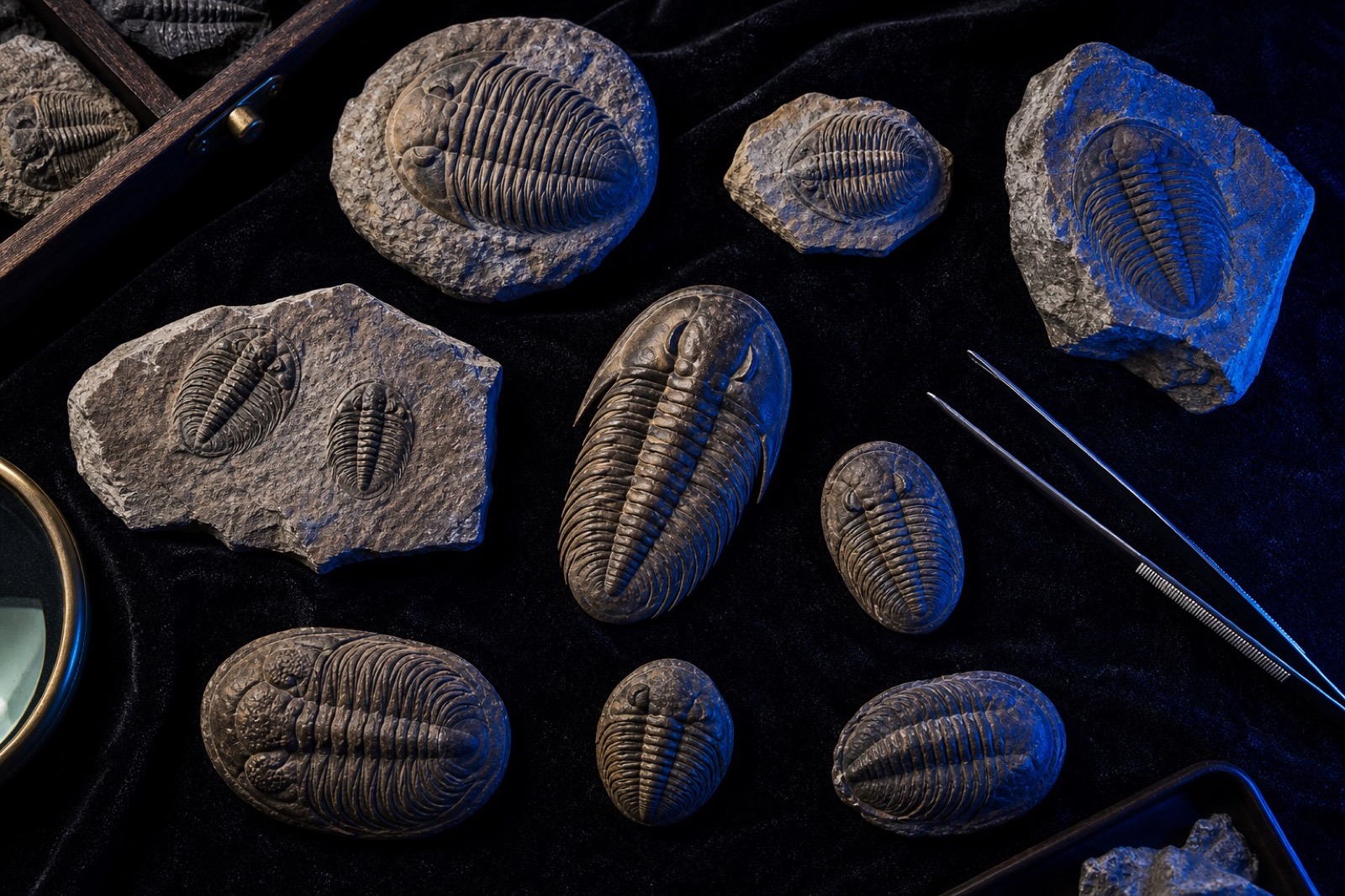
Phacops rana
Middle Devonian (~390 Ma), North Africa & North America
- Commercial Phacops from Morocco dominate entry-level collector cabinets and teach restoration literacy early.
- Spine tips and eye tubercles are common repair zones — disclose percentages.
- A trilobite-focused store can still sell other lots, but the hero niche should stay sharp.
Phacops could enroll its eyes under a lid-like structure — nature’s own privacy mode, 390 million years before private-on-file PDFs.
 Sample photo
Apply, verify, open for listings
Apply to sell, complete identity and source questionnaires, then open the store URL before you flood inventory. Empty stores with a strong about page and one exemplary listing beat cluttered stores with no story. Link your social channels only after messages stay on Jurassic Depot — off-platform contact patterns trigger warnings because they destroy buyer-protection records.
Store launch checklist
Interactive tool
Seller store launch checklist
0/10 checked
Complete these before inviting buyers to your first auction.
Reader poll
If you opened a fossil store tomorrow, what would you polish first?
Results from fossil collector community
Growth without off-platform shortcuts
Grow by teaching. Publish prep notes. Answer provenance questions in the public message thread when appropriate. Cross-link fossil-law guides for the countries you sell from. Host live shows when ready, with the same disclosure standards as static listings. Never move a deal to WhatsApp to dodge fees or records — that pattern is how collectors get burned and how platforms ban sellers.
Content compounds. A short note on how you disclose tip fills will be quoted by buyers in reviews. A linked blog briefing on Moroccan export paperwork makes your Kem Kem lots easier to trust. Live streams should show the same UV honesty as your listing fields — not carnival energy that hides seams. The dealers who win the next decade will be the ones who treat education as inventory, not as optional marketing fluff.
Pricing discipline matters too. Undercutting the entire category with mystery provenance trains buyers to expect miracles and trains the platform to scrutinize you. Price to the documentation you can defend. Premium disclosure can support premium asks. Thin paperwork should discount the lot — or keep it off the marketplace until the chain of title is clean.
The long game is simple: every listing should make the next listing easier to trust. Build the store buyers bookmark. Fill the ledger. Keep the photos honest. When a Mosasaur jaw or a T. rex tooth finally hits your grid, the documentation culture you practiced on trilobites is what closes the bid.
“A store without a document ledger is just a temporary photo album.”
 Sample photo