Sample
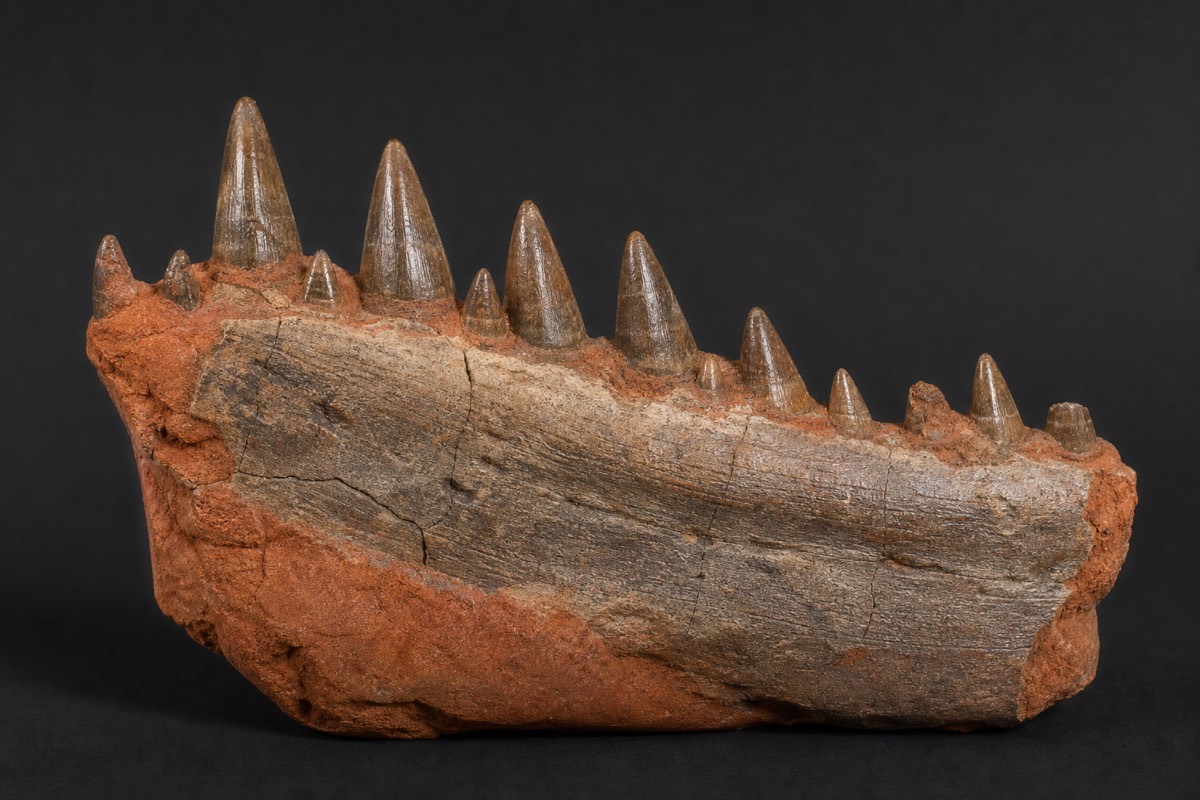
Mosasaur jaw — Kem Kem, Morocco
Current bid
$2,800.00
Optional analytics
Help us understand which pages are useful. Analytics stays off unless you accept. Essential sign-in and checkout cookies are unaffected.
Loading...
Dinosaur teeth are the most popular entry point into dinosaur fossil collecting — and the most heavily faked category. From $100 Moroccan teeth to $30,000 T-Rex specimens, value swings enormously on species, size, enamel preservation, root completeness, and provenance. This guide covers what separates a great tooth from a composite or a cast.
Typical range: $100 – $50,000+
Species
12+ common types
Key Formations
Hell Creek, Kem Kem, Morrison
Top Risk
Composites & misidentification
Each species has distinct tooth anatomy, price range, and fraud risks. Know what you're looking at before you buy.
Auctions
Open a lot for trust scores, docs, and seller store.
Mosasaur jaw — Kem Kem, Morocco
Current bid
$2,800.00
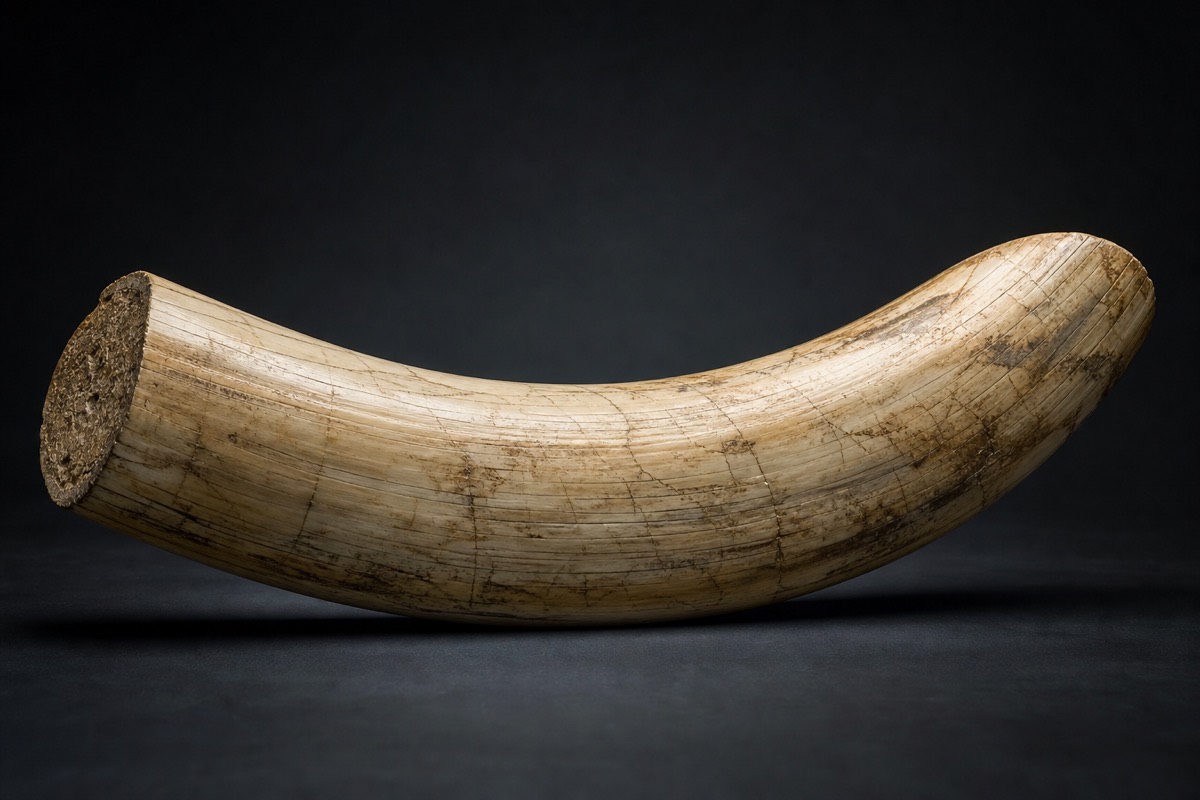
Woolly mammoth tusk — Alaska
Current bid
$4,200.00
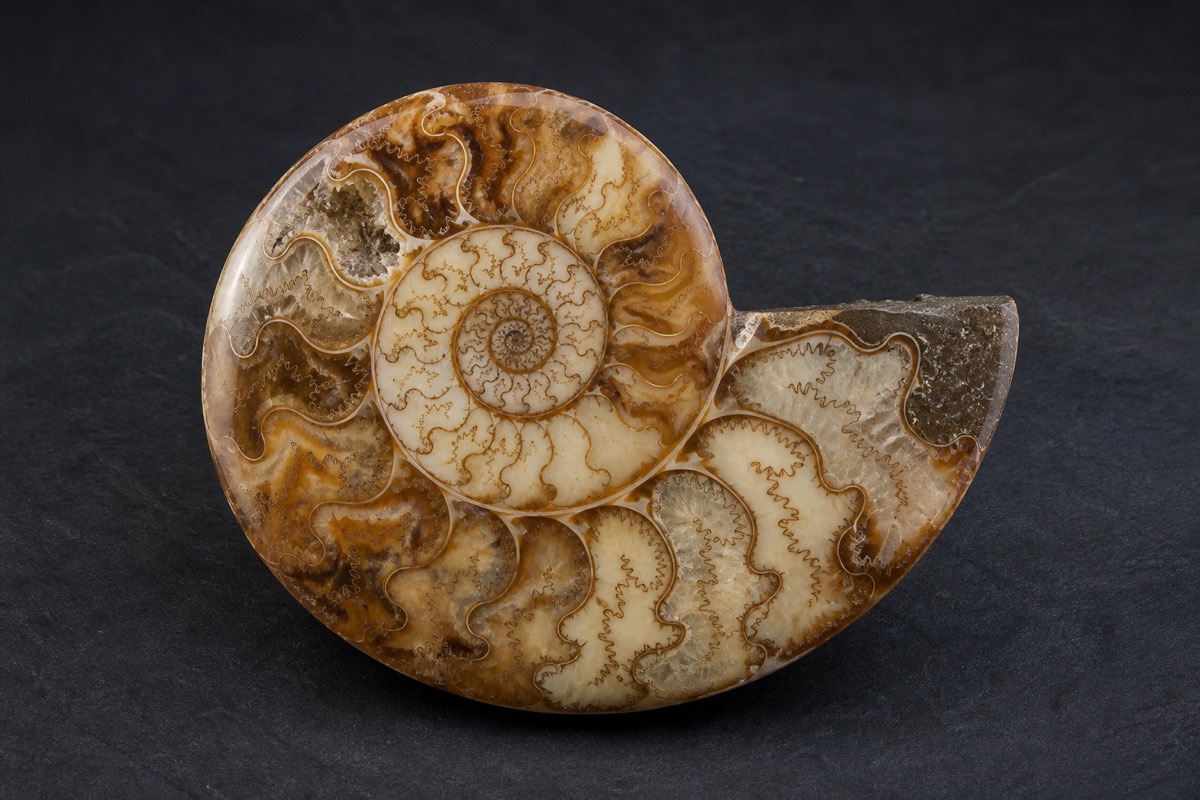
Cleoniceras ammonite — Madagascar
Buy Now
$295.00
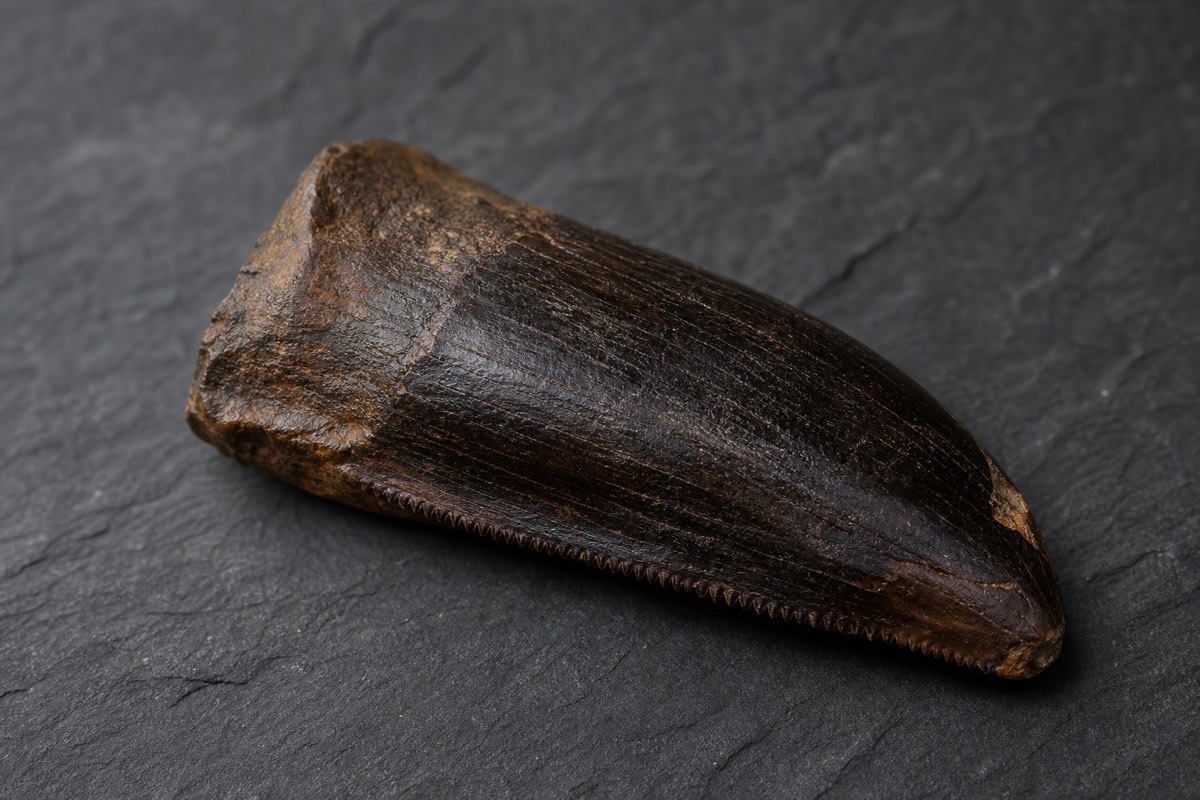
T. rex tooth — Hell Creek, Montana
Current bid
$3,200.00
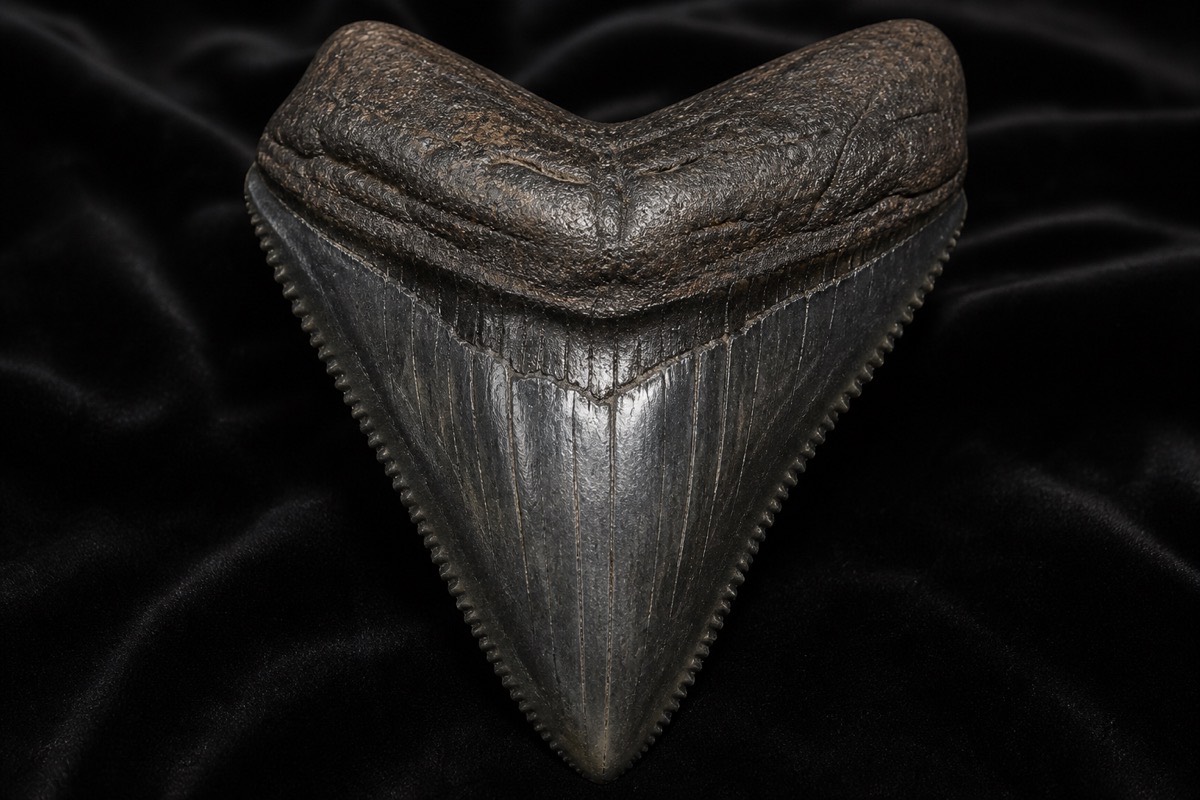
Megalodon tooth — 5.8" Miocene
Current bid
$1,850.00
Species & Confidence
T-Rex and other rare theropods command the highest prices. Spinosaurus and Carcharodontosaurus are mid-range. Common Moroccan and hadrosaur teeth are entry-level. Confident species ID backed by reasoning adds significant value.
Size & Completeness
Larger teeth with intact tips and complete roots are far more valuable. Most teeth are found as crowns only — fabricated roots are a major fraud. A 1-inch T-Rex crown is worth far less than a 3-inch crown with full serrations.
Enamel Preservation
Glossy, intact enamel with visible serrations and growth lines is prized. Worn, sanded, or polished enamel reduces value sharply. Original patina and natural color variation in the enamel are signs of authenticity.
Restoration Percentage
Tip repairs, root fabrication, crack fills, and serration restoration must be disclosed. Undisclosed restoration destroys value and trust. A tooth with honestly disclosed 15% restoration can be a good buy; a tooth marketed as 100% natural that is later found restored is fraud.
Fabricated Roots
Roots sculpted from sand and glue, then painted — UV light reveals them as bright fluorescent masses. Acetone dissolves the paint.
Species Misidentification
Carcharodontosaurus sold as 'T-Rex from Morocco' (there are no T-Rex in Africa). Sawfish teeth sold as dinosaur teeth. Crocodile teeth sold as Spinosaurus.
Resin Casts
Casts with air bubbles and uniform UV fluorescence sold as real teeth. Check weight — resin is lighter than fossilized bone and dentin.
Composite Teeth
A crown from one specimen glued to a root from another. UV light reveals the glue line. Different tooth colors indicate different donors.
Fake Documentation
Certificates of Authenticity without UV analysis photos, preparator names, or formation data are worthless. A COA is only as good as the evidence behind it.
Misleading Claims
'Museum quality' and '100% authentic' claims with no supporting documentation are red flags. Honest sellers provide UV photos, provenance, and restoration disclosure.
Before buying any dinosaur tooth, demand these items. A seller who refuses documentation is hiding something.
How can I tell a real dinosaur tooth from a cast?
Real teeth are heavier, have micro-porous enamel texture, and show natural serrations under magnification. Casts are lighter, may have air bubbles, and fluoresce uniformly under UV light. A genuine tooth will have natural color variation, mineral staining, and often small cracks or wear patterns consistent with fossilization.
Why are most dinosaur teeth missing their roots?
Roots are softer than the enamel crown and usually rot or break away before fossilization. A complete root is rarer and more valuable — but also commonly faked. UV light reveals fabricated roots as bright fluorescent masses because the glue and modern materials react differently than fossilized tissue.
Are Moroccan dinosaur teeth legal?
Morocco allows commercial fossil export with proper documentation, unlike Mongolia, China, Brazil, or Argentina. However, the majority of Moroccan teeth on the market are restored, composited, or misidentified. Demand a declaration of origin, UV analysis, and confirmed species identification before purchasing.
What's a fair price for a real dinosaur tooth?
It depends entirely on species, size, condition, and provenance. Common Moroccan teeth start around $50–$150. Quality Spinosaurus teeth range $200–$1,500. T-Rex teeth start around $1,500 for a small crown fragment and reach $30,000+ for large, complete specimens with full provenance. Always compare against verified auction results.
How do I verify a T-Rex tooth is real?
Check: (1) Serration count — T-Rex has fewer, larger denticles; (2) Cross-section — T-Rex teeth are more D-shaped than blade-like; (3) Formation — must be Hell Creek, Lance, or equivalent US formation; (4) UV analysis to rule out fabrication; (5) Landowner release and chain of custody. For purchases over $5,000, expert review is strongly recommended.
Jurassic Depot is designing evidence-based listing checks. Until live review operations exist, use these guides to demand proof and obtain independent advice.