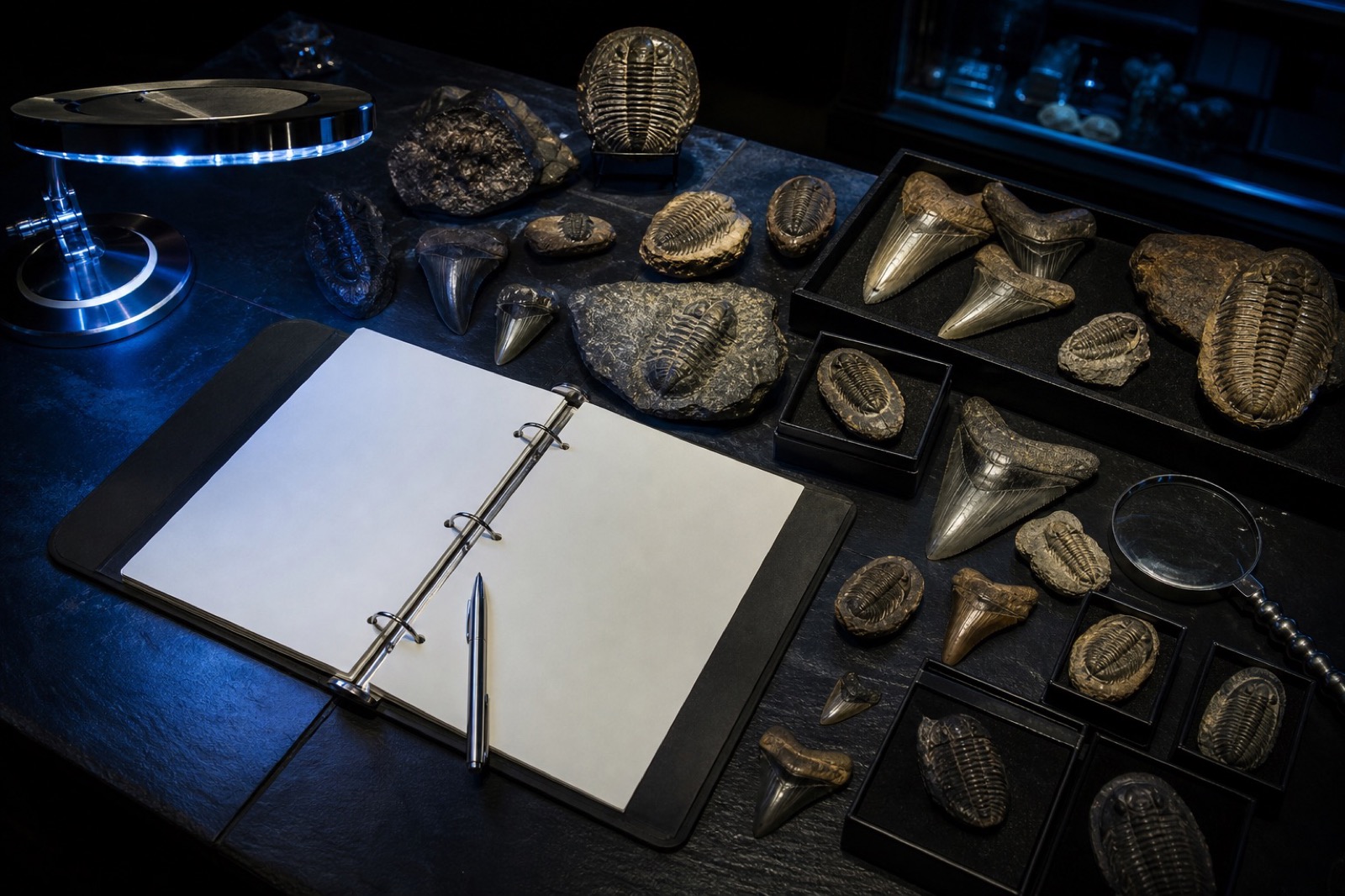
No marketplace can promise every fossil is perfect. Jurassic Depot does not pretend otherwise. Fossils are natural objects that have been buried, eroded, prepped, restored, shipped, and marketed by humans with uneven incentives. Buyer beware is not a shrug — it is a contract with reality. The difference between a reckless marketplace and a serious one is how much risk is visible before money moves. Our job is the strongest disclosure and screening stack in the fossil trade while still operating as an open marketplace where independent sellers compete.
This article explains what we refuse to hide, how you should use the tools we put in front of you, and which categories deserve paranoia even when photos look perfect. It is written for collectors who want adult honesty: scores, document admissions, restoration percentages, and legal-risk flags — without fairy tales about guaranteed authenticity certificates that somehow never fail.
What buyer beware actually means here
Buyer beware means you remain responsible for reading the listing, asking questions, and walking away when origin is fog. It does not mean Jurassic Depot washes its hands of structure. We require seller questionnaires, block identifiable prohibited origins, surface restoration when known, and keep messaging on-platform so records survive disputes. Beware without tools is abandonment. Tools without beware is theater.
Platform role
Disclose + screen
Not certify perfection
Buyer role
Verify + decide
Especially on vertebrates
Seller role
Admit paperwork
Public or private-on-file
Shared rule
Keep deals on-site
Protection records intact
What Jurassic Depot refuses to hide
We refuse to bury restoration in fine print. We refuse seller stores with empty document panels posing as museums of trust. We refuse to treat unknown origin as a romantic mystery instead of a risk flag. We refuse to let phone-number harvesting erase the conversation trail that protects both sides. And we refuse marketing that implies marketplace mode magically removes collecting risk — it does not.
- Restoration percentage when known — tip fills, composites, matrix rebuilds
- Origin and land-type questions on serious lots
- Prohibited-origin blocks where screening can identify them
- Store ledger admissions for private-on-file documents
- Authenticity, documentation, and legal-risk scores as decision aids
- On-platform messaging with off-platform contact warnings
 Sample photo
The disclosure stack before you bid
Read the stack top to bottom: legal-risk and country, provenance and store ledger, authenticity and restoration, trust tier and reviews, then price. Inverting that order — price first, paperwork never — is how cabinets fill with regret. Jurassic Depot layouts put scores near the bid button for a reason. Use them as a briefing, then open the store documents panel before you fall in love with enamel gloss.
Think of the stack as a briefing packet, not a vibes meter. Legal-risk tells you whether the lot triggers heritage or export concerns worth a hard pause. Provenance tells you whether the seller can narrate land type and chain of title. Authenticity and restoration tell you whether the object in the photo is the object that left the ground — or a heavily rebuilt stage prop. Trust tier and reviews tell you whether prior buyers got what was promised. Price is last because price without the rest is just a number competing with your impulse control.
Collectors who skip the stack often say they will check paperwork after they win. That is backwards. Winning creates endowment effect: once the lot feels yours, you invent reasons to ignore yellow flags. Run diligence while walking away is still emotionally cheap. Screenshot the disclosures. Ask the awkward question in messages. If the seller stalls, you have learned something more valuable than a bargain tooth.
 Sample photo
Privacy versus opacity
If a landowner release or export packet must stay private, the store should still admit it was filed and whether it passed review. That is privacy. Opacity is the shrug that says trust me, I have papers while the ledger stays blank. Jurassic Depot’s private-on-file model exists so sellers can protect names and GPS without gaslighting buyers. When a seller refuses even an admission, treat the lot as higher risk than its photos suggest.
High-risk categories that need extra caution
Vertebrates, international lots with export complexity, unclear origin, composite jaws, and specimens priced far below category norms deserve extra caution. A twenty-dollar Moroccan shark tooth and a twenty-thousand-dollar associated skull live in different diligence universes. Budget your attention accordingly. Read fossil-law guides for the country named on the listing. Message the seller about restoration maps. If answers are evasive, leave — the next auction starts soon enough.
International lots deserve a second pass even when the seller is trusted. U.S. private-land legality at origin does not automatically solve import rules in the EU, UK, Australia, or elsewhere. Some buyers discover restrictions only when a parcel sits in customs. Build a habit: before you bid across borders, spend five minutes on the destination country’s cultural-property or customs guidance, or talk to a broker for high-value pieces. That five minutes is cheaper than a seizure letter.
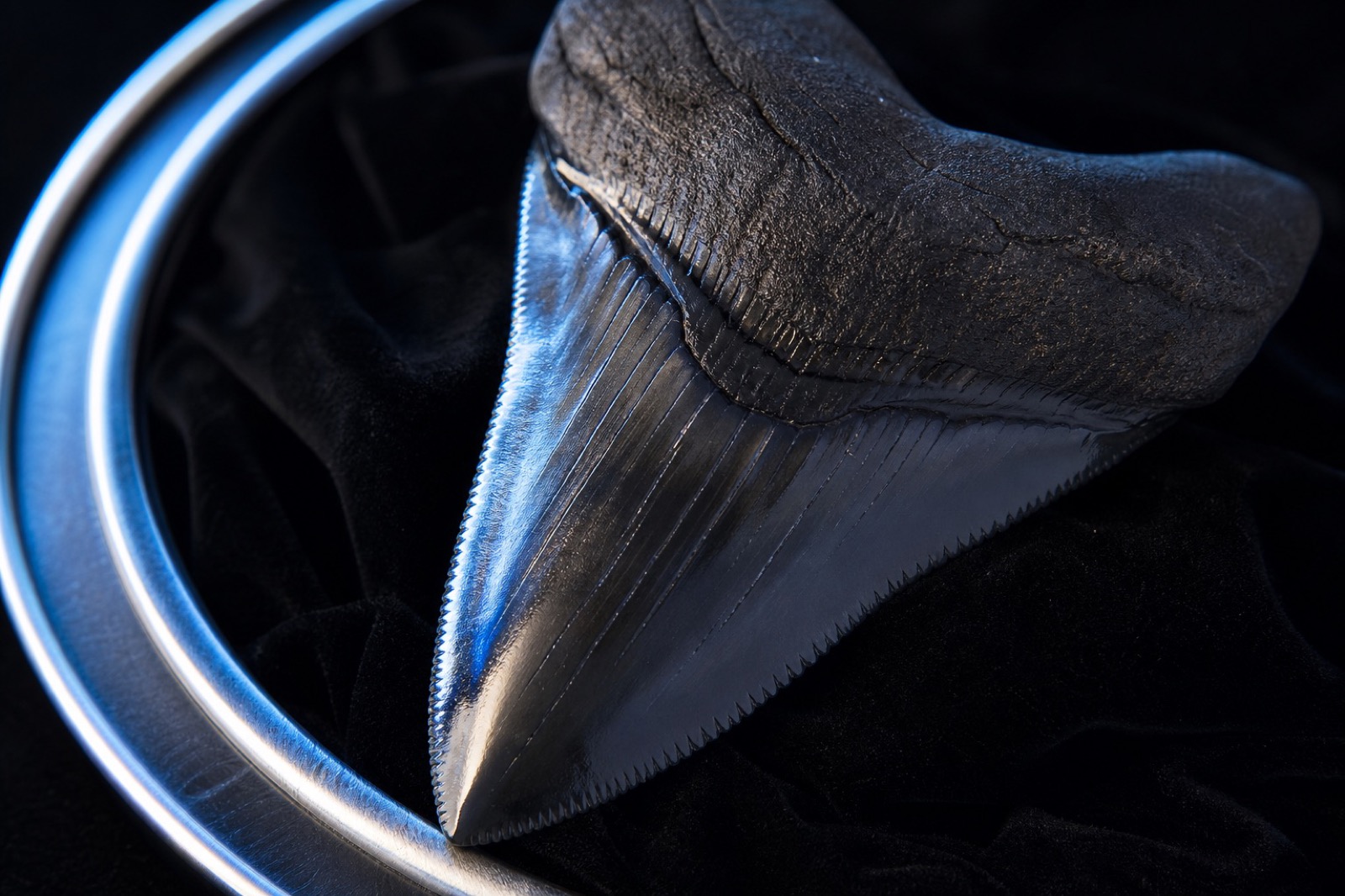
Composite risk concentrates in jaws, associated dentitions, and display mounts. Price outliers concentrate in cast-heavy categories like megalodon and rex teeth. Unknown-origin risk concentrates wherever sellers prefer formation nicknames over country and land type. Learn which failure mode belongs to the taxon you love, then over-index diligence there. General anxiety is exhausting; targeted scrutiny is professional.
- Vertebrate skulls, jaws, and associated skeletons — demand chain-of-title admissions
- Lots labeled Mongolia, Gobi, or Central Asia without extraordinary export proof — usually walk
- Moroccan Kem Kem bulk teeth — ask exporter vs middleman story
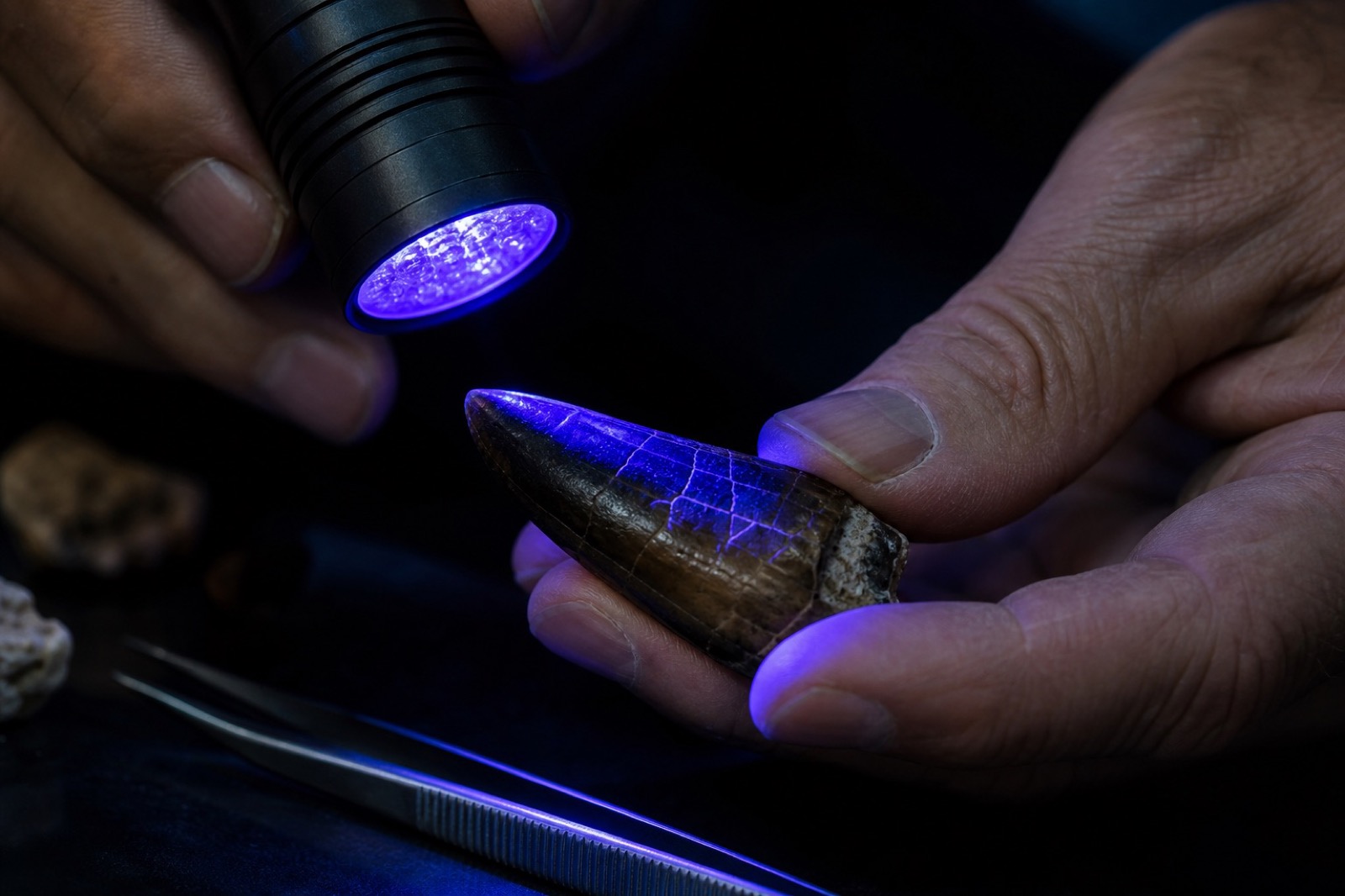
- Any pristine claim on a large repaired-looking tooth — request UV
- Miracle pricing more than ~40% below recent comps without a clear defect story
 Sample photo
Species spotlight: Mosasaurus
Species spotlight
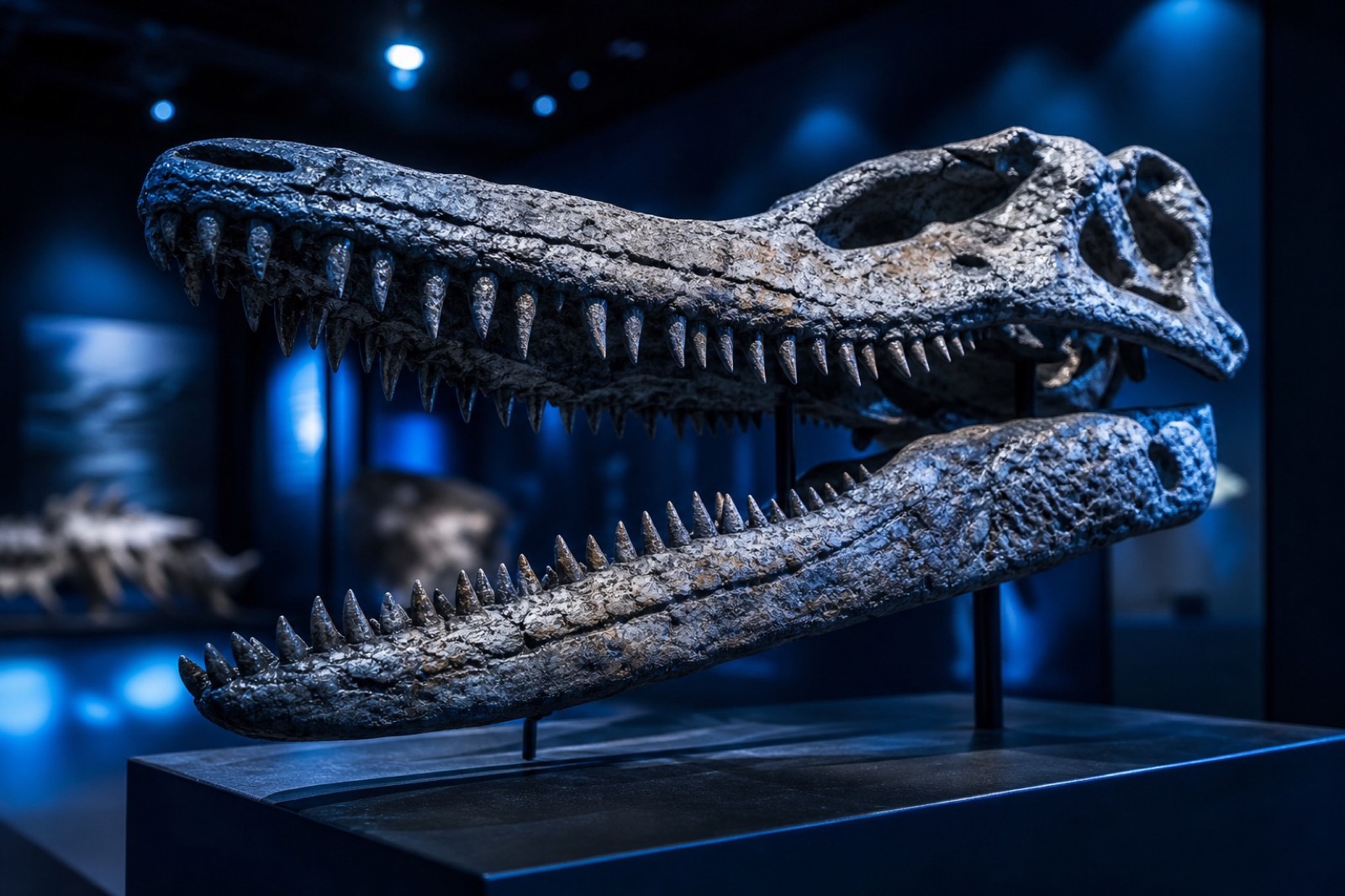
Mosasaurus / related mosasaurs
Late Cretaceous marine reptiles, global chalk & phosphate deposits
- Mosasaur jaws and teeth are heavily traded from Morocco and North American chalks — restoration and composites are common.
- Legal risk often tracks export paperwork more than species name.
- Buyers should demand multi-angle photos of tooth-bone contacts where composites hide.
Mosasaurs were not dinosaurs — they were marine lizards that ruled Late Cretaceous seas while T. rex paced the Hell Creek floodplains.
 Sample photo
Habits of collectors who rarely regret purchases
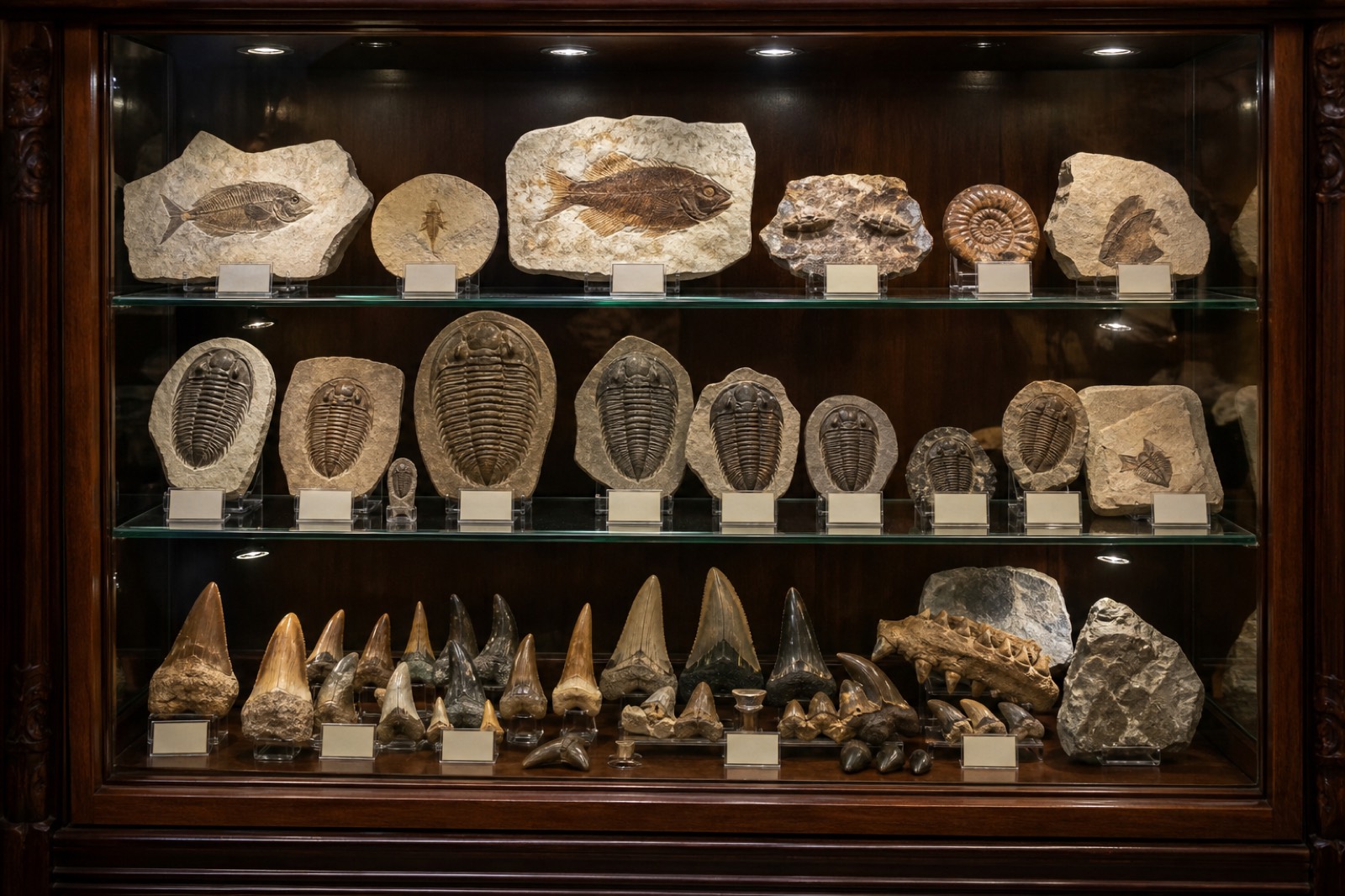
They keep a written risk budget. They screenshot disclosures at bid time. They prefer stores with ledgers over anonymous bargains. They ask for lingual and root views before vertebrates. They treat unknown origin as a reason to pass, not a reason to hope. They learn one locality deeply before buying globally. And they accept that walking away is a skill, not a failure.
 Sample photo
Personal risk budget tool
Interactive tool
Personal risk budget checklist
0/10 checked
Check what is true for this lot before you bid. If three or more boxes stay unchecked on a vertebrate or international piece, pause.
Reader poll
Which risk do you underestimate most often?
Results from fossil collector community
After the sale: records and disputes
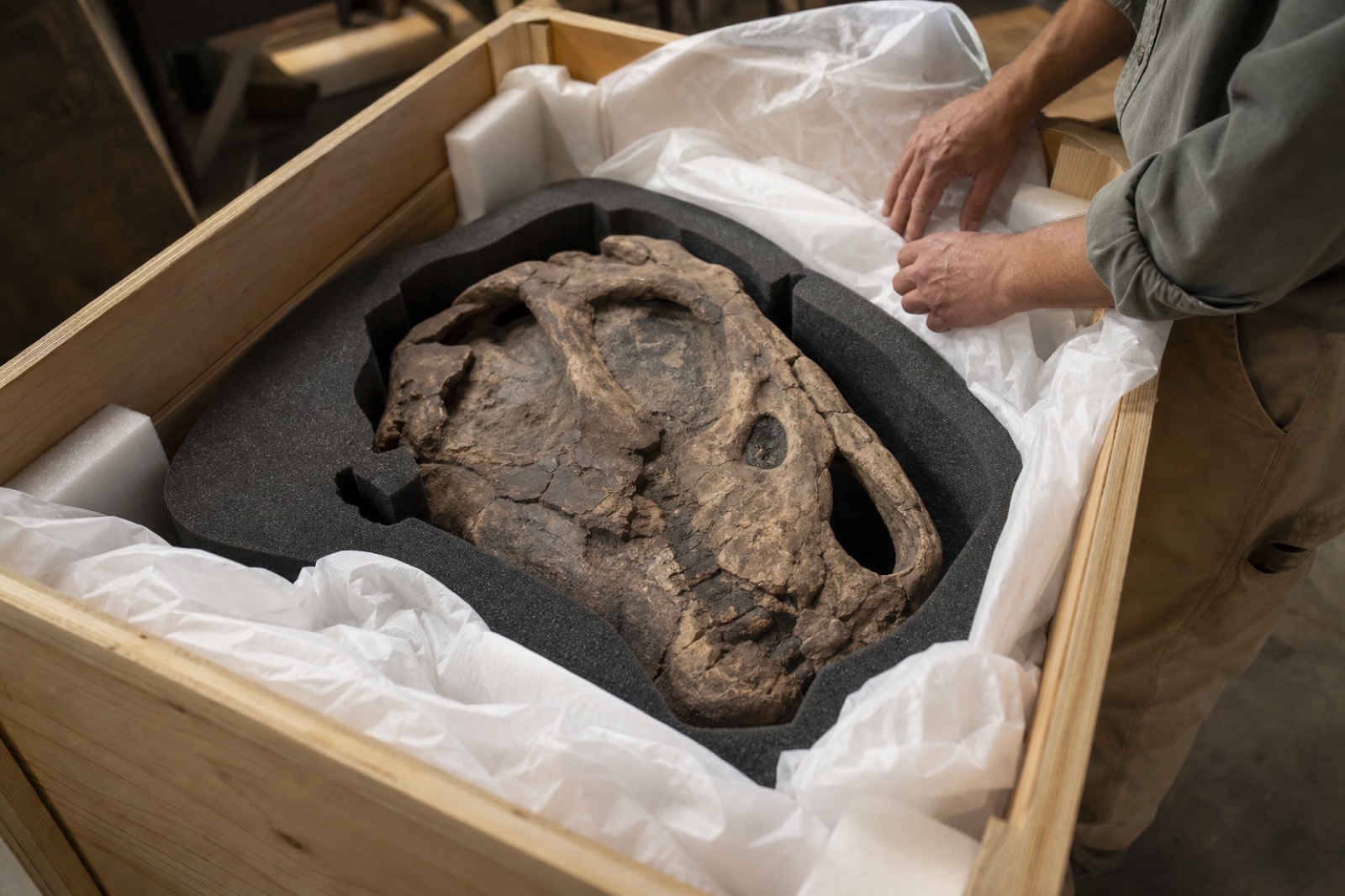
Keep the thread. Keep the screenshots. Keep the ledger admissions. If a specimen arrives with undisclosed epoxy, the on-platform record is your ally. Off-platform deals destroy that ally. Jurassic Depot cannot un-hide risk that sellers invent after the fact, but we can make the original disclosure trail hard to rewrite. That is buyer protection in an open market: not a fantasy of zero risk, but a refusal to let evidence disappear.
Buyer beware still applies. We refuse to hide the stack that makes beware survivable. Read it. Use it. Walk when you must. The fossils that belong in your cabinet will still be there when the paperwork is honest.
“The strongest protection is disclosure you can screenshot.”
 Sample photo