Loading...
Triceratops
U.S. private land + docsMost abundant large Hell Creek dinosaur in the commercial bone trade. Horn cores and frill sections are common; full skulls are rare and expensive.
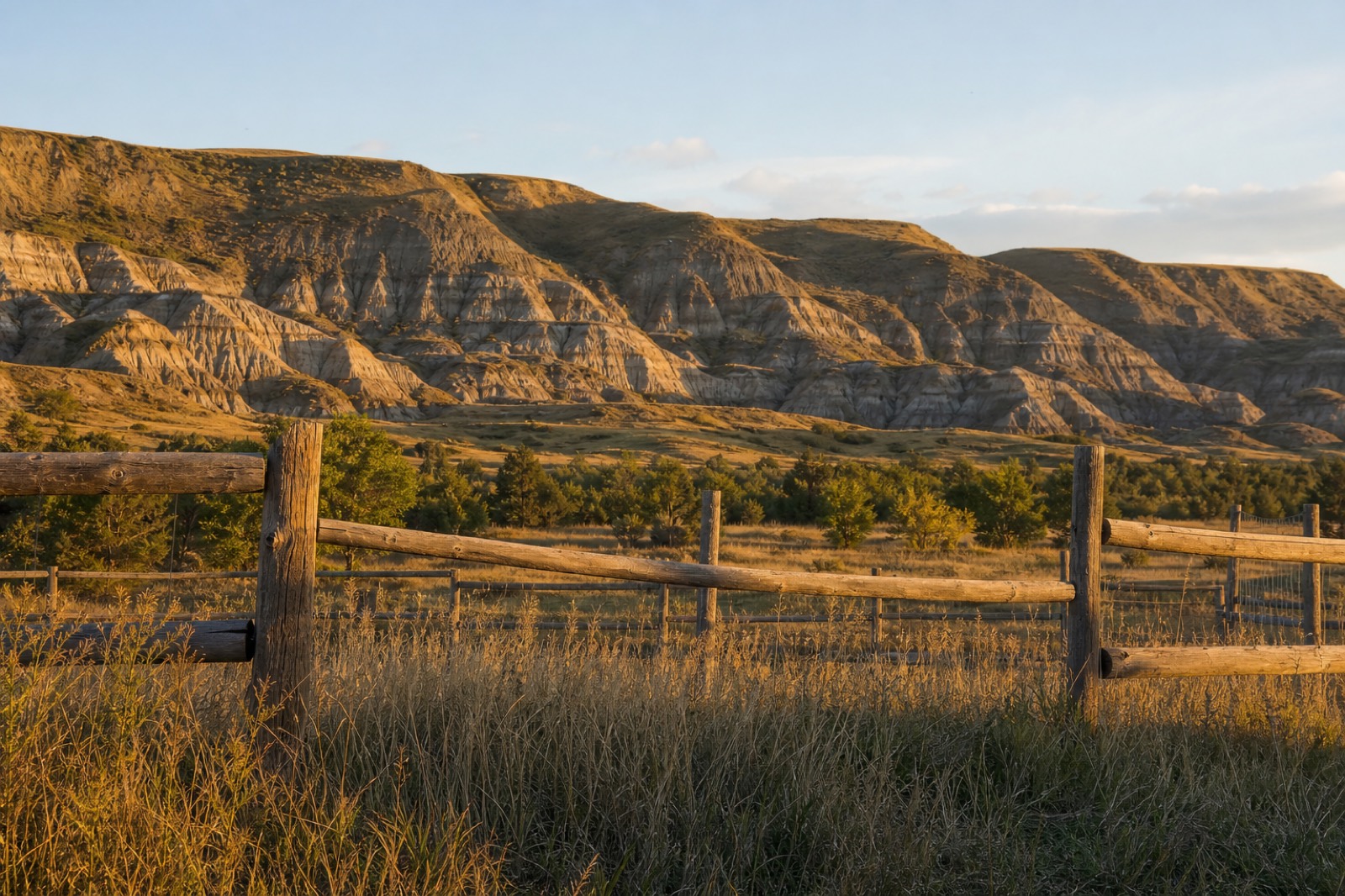 Sample photo
Period
Late Cretaceous
Age
68–66 mya
Formation
Hell Creek
Diet
Herbivore
Common fossils
Horns, frills, teeth, brow material
Price context
Separate teeth, horn cores, frill pieces, skulls, and mounts before comparing value
Price bands are educational market context for common grades — not an appraisal, quote, or investment forecast.
Collecting status
U.S. private land + docs. Always confirm landowner release or export path, chain of custody, and that the specimen was not collected from forbidden public land. U.S. federal vertebrates under PRPA are not commercial inventory.
Open related fossil-law guide →Trade notes
Shedding teeth are cheaper than bone. Frill / horn material needs clear land type — federal and tribal parcels cut through Hell Creek country.
How to evaluate this taxon
First identify what is actually being sold: a shed tooth, horn core, frill fragment, restored skull, or composite mount. Those are different markets. For display pieces, request a diagram distinguishing original bone, matrix, filler, and fabricated support. For isolated bone, demand multiple angles and a defensible anatomical identification.
Fake-watch for this taxon
- — Composite frills assembled from multiple animals
- — Heavy plaster rebuild sold as mostly original bone
- — Painted matrix hiding seams
Documents to demand
- — Landowner release
- — Bone vs plaster %
- — Prep map for mounts
Research sources and limits
Taxonomy and age context are checked against museum or government references. Buyer guidance is Jurassic Depot editorial analysis, not a specimen identification, authentication, appraisal, or legal opinion. A taxon page cannot establish the identity or lawful title of an item offered for sale.
- Natural History Museum — Triceratops directory entry
- National Park Service — fossil protection
- Paleontological Resources Preservation Act (official PDF)
Editorial review: August 1, 2026. Scientific classifications and laws can change; use the linked source and transaction-specific professional advice.
On Jurassic Depot
Fossil laws by countryProvenance guideFossil laws briefingHow to buy fossils legallyDinosaur teeth guide
Outside sources (educational)
Primary society and government pages — not Jurassic Depot. Open these when you need statute or agency language, not a marketplace summary.